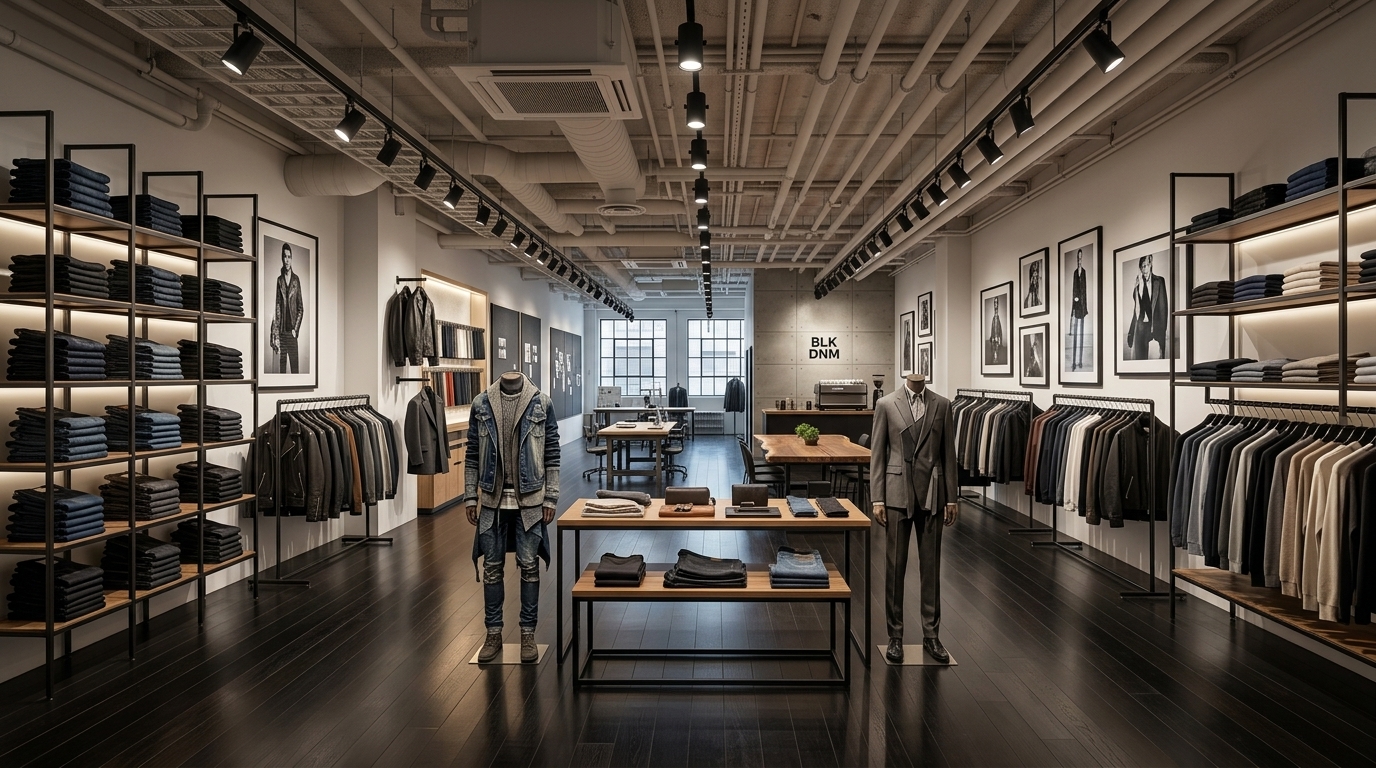
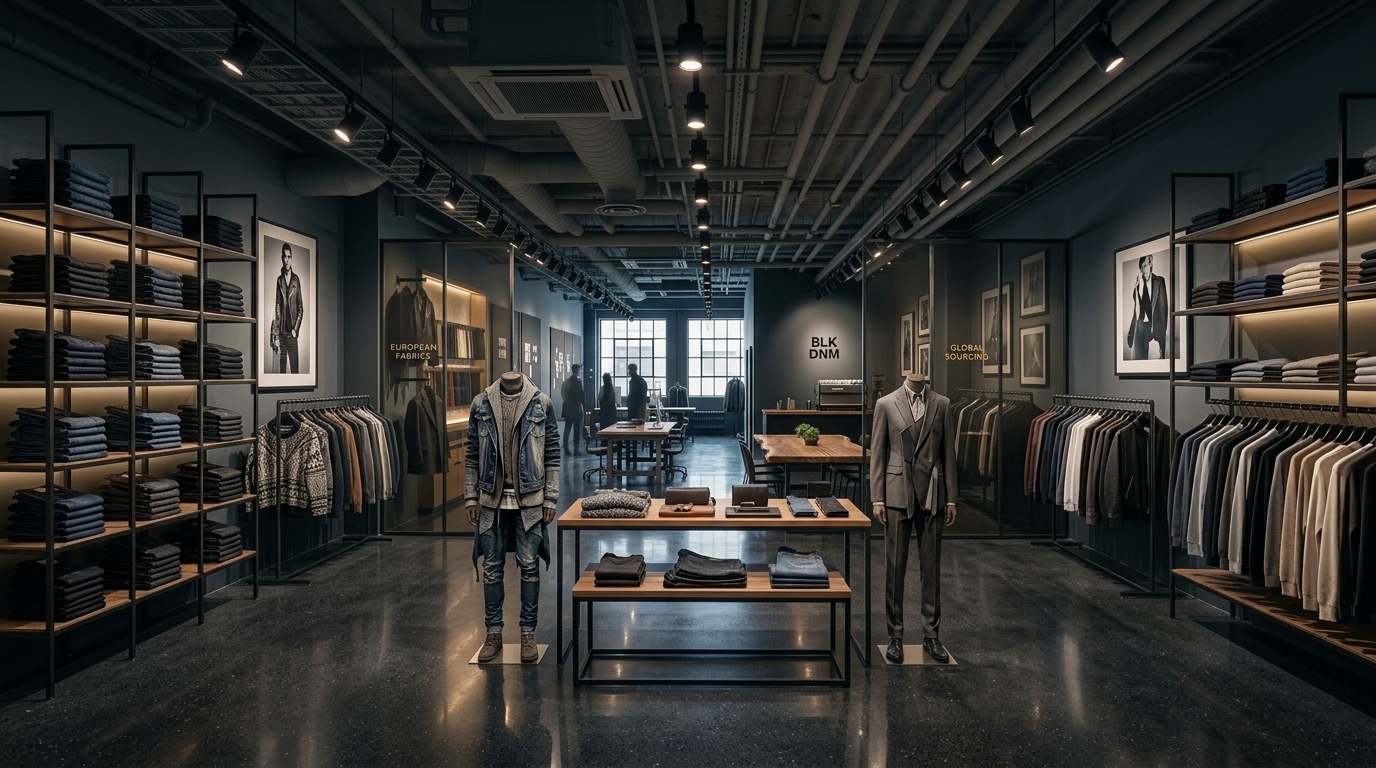
Your Trusted Apparel Merchandising & Sourcing Partner
Since our journey began in 2010, MY WEAR MARKET specializes in supplying high-quality knitwear, woven garments, denim, and sweaters to global apparel brands, retail chains, and boutique importers.
MY WEAR MARKET
Knitwear, Woven Garments, Sweaters, Denim Jeans for Men, Women & Children.
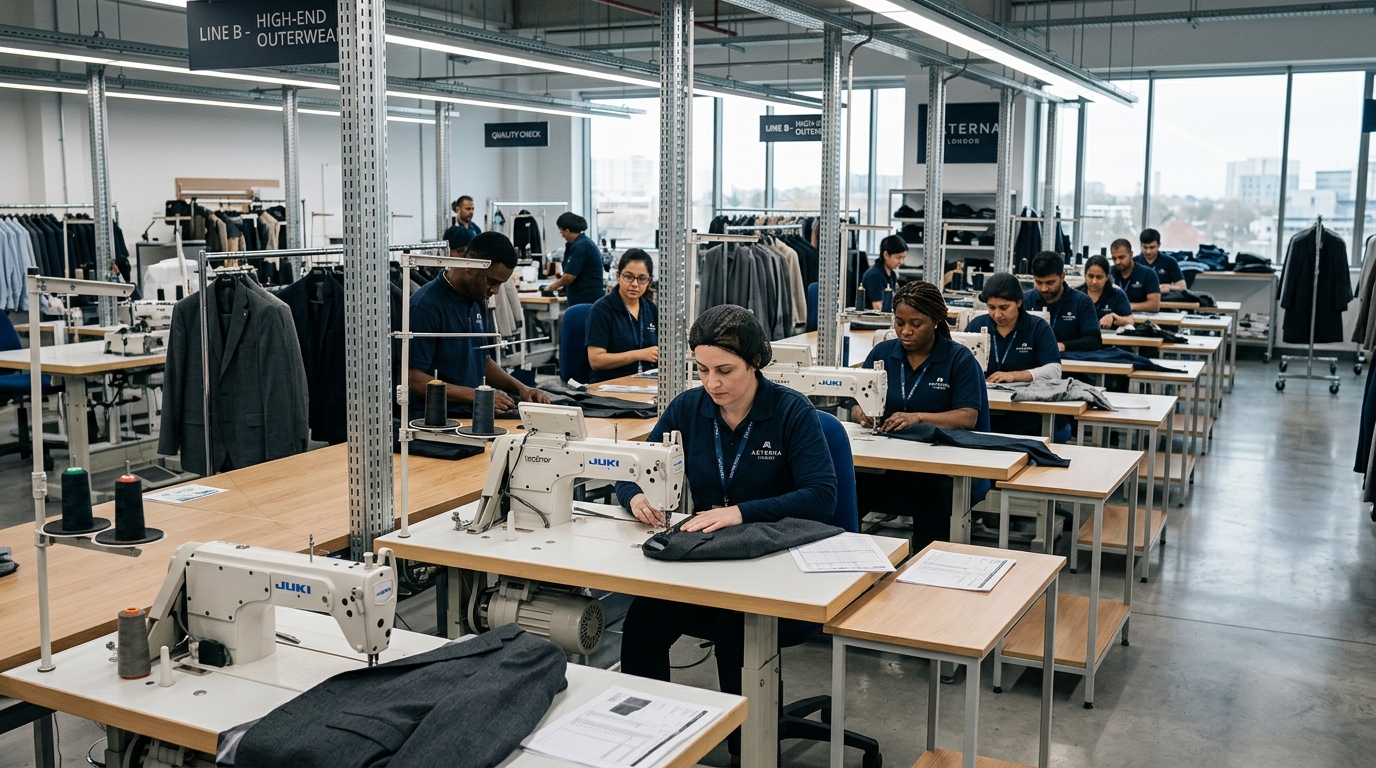
Quality inspectors physically stationed at manufacturing sites across all production stages.
100% Irrevocable transferable L/C at sight or TT Payment (70% advance).
Partnered with modern compliant composite mills (Knitting, Dyeing, Printing, Washing).
About MY WEAR MARKET
A Reputed and Multidimensional Apparel Sourcing and Buying House Based in Bangladesh.
MY WEAR MARKET is a reputed and multidimensional apparel sourcing and buying house based in Bangladesh. We specialize in supplying high-quality textile clothing and ready-made garments across the globe. Our product range includes knitwear, woven garments, and sweaters for men, women, and children.
Since our journey began in 2010, we have built a strong reputation for quality and reliability. We work closely with trusted factories to ensure ethical production and timely delivery. Our experienced team ensures every product meets the highest international standards. We believe in long-term partnerships with our valued clients worldwide.
Innovation, commitment, and sustainability drive everything we do. We focus on competitive pricing without compromising on quality. At MY WEAR MARKET, your satisfaction is our top priority.
Our Merchandising & Manufacturing Services
From preliminary tech pack interpretation and costing to physical quality audits and shipment container sealing.
Quality Assurance (AQL Standard)
We maintain international AQL standard requirements from yarn and weaving stages to finished garments. Our QC personnel are permanently stationed at manufacturing sites.
Design & Sample Development
We develop samples according to buyer specific requirements with complete design research based on international trends and market forecasts.
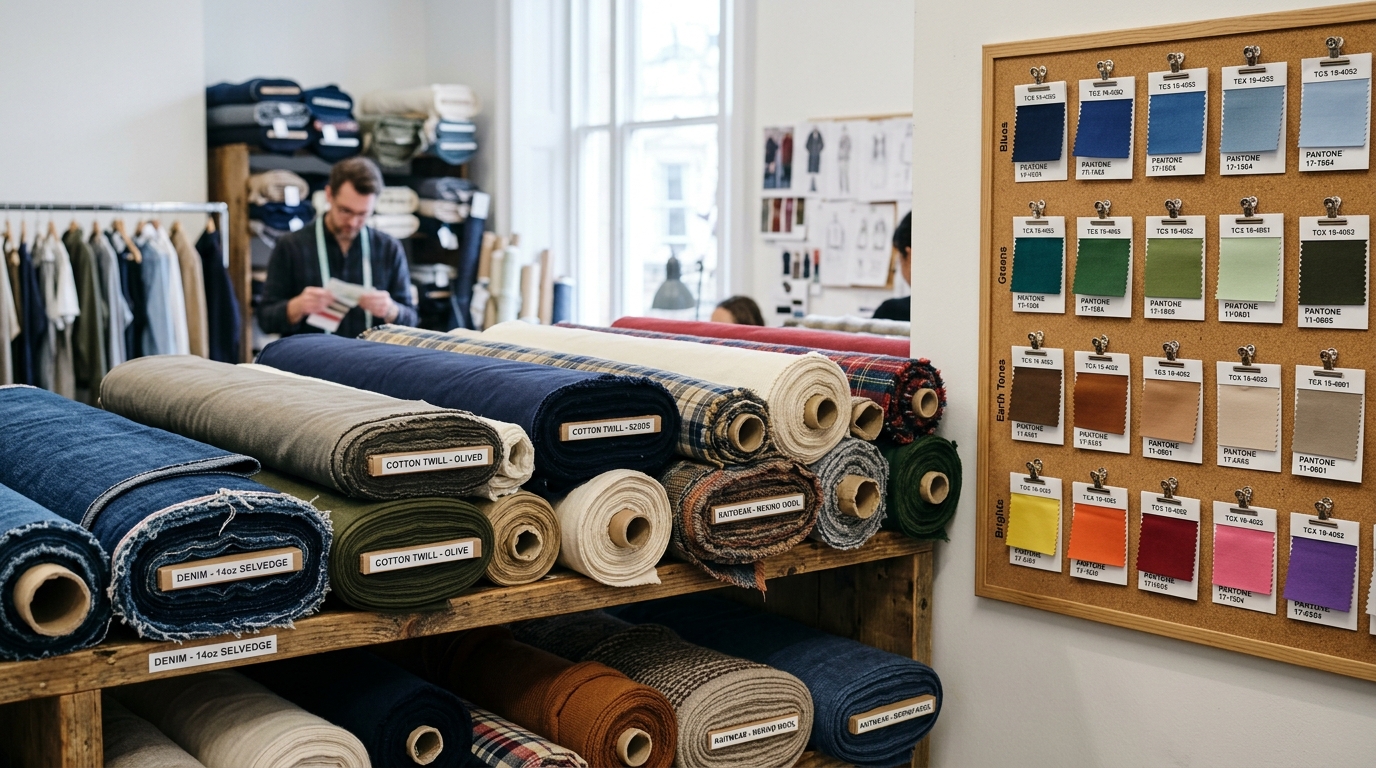
Materials & Trims Sourcing
We select and source fabrics and accessories from suppliers globally for optimal price-to-quality ratios. All fabrics undergo rigorous lab tests based on buyer parameters.
Production Monitoring & Audits
We connect all parts of the supply chain and monitor pre-production milestones through the latest tracking technology and systematic rejection prevention.
Arranging Modern Vendors
Large network of high quality Knit, Woven, Sweater and Home Textile manufacturers with infrastructure for spinning, knitting, dyeing, and automated washing facilities.
Merchandising & Sharp Costing
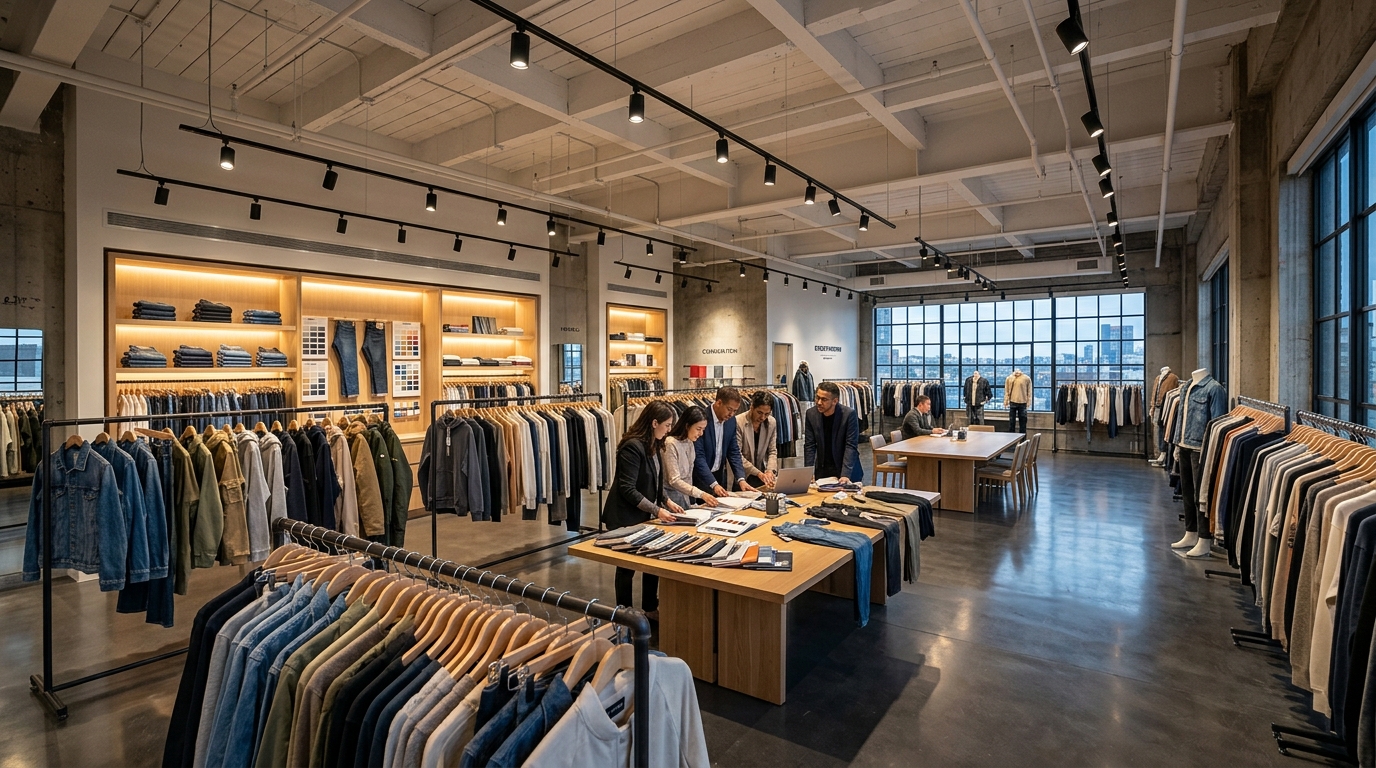
Each customer is allocated a dedicated business team. Merchandisers have hands-on factory experience to bridge buyer requirements and factory capabilities.
Featured Apparel Showcase
Export-ready items with full technical specifications. Click any product to review fabric, GSM, and request an FOB quote.
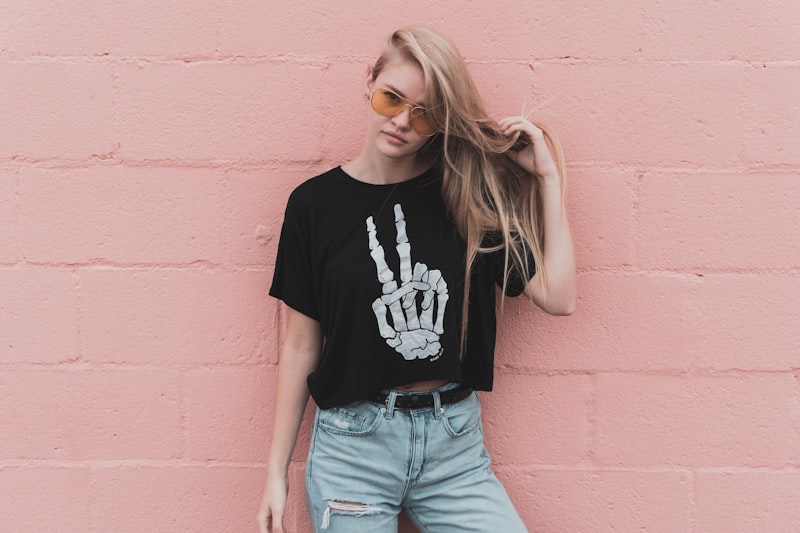
Women's Modal Cotton Relaxed Boyfriend Tee
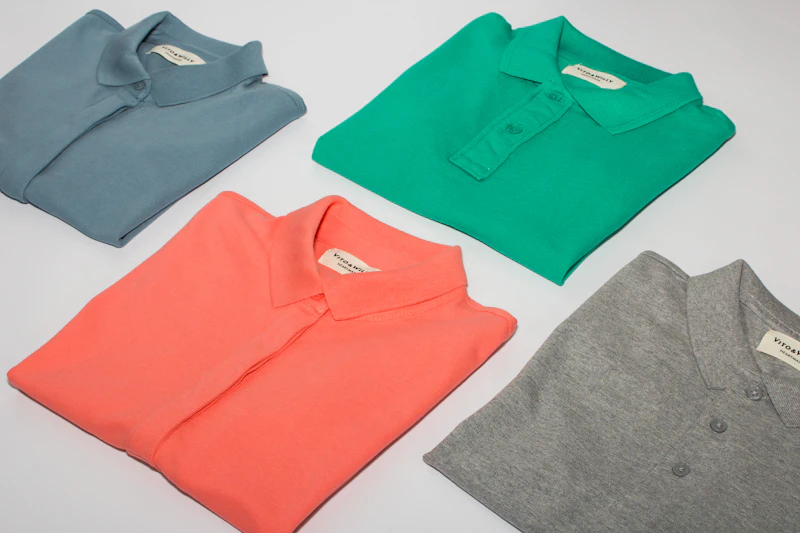
Men's Classic Pique Polo Shirt with Flatknit Collar
Men's Stretch Cotton Twill Chino Trousers

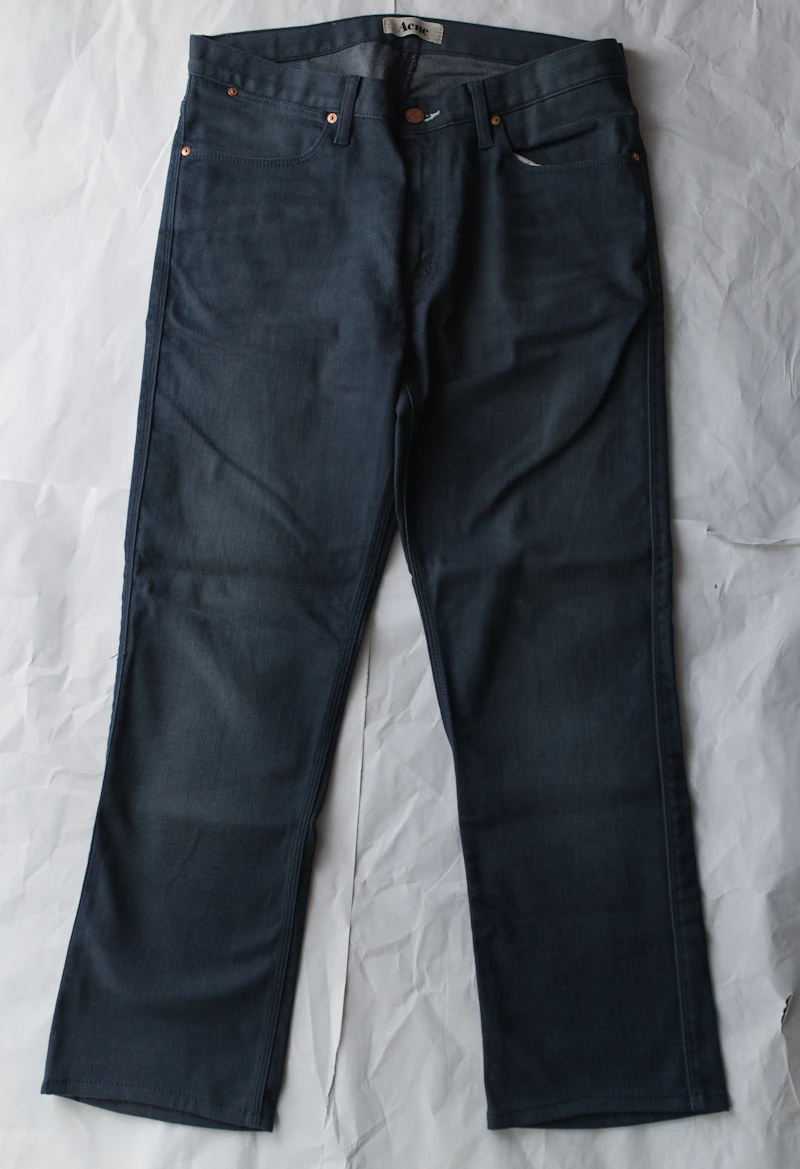
Men's 5-Pocket Slim-Straight Stretch Denim Jeans
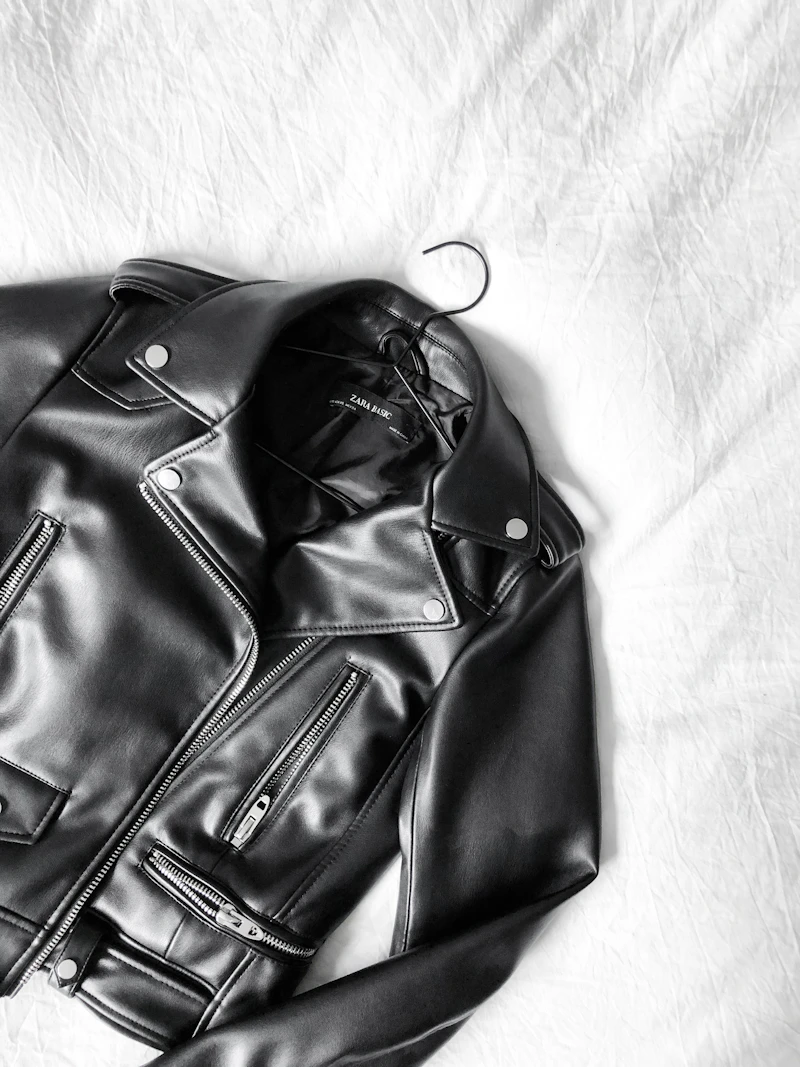
Men's Weatherproof Padded Bomber Jacket
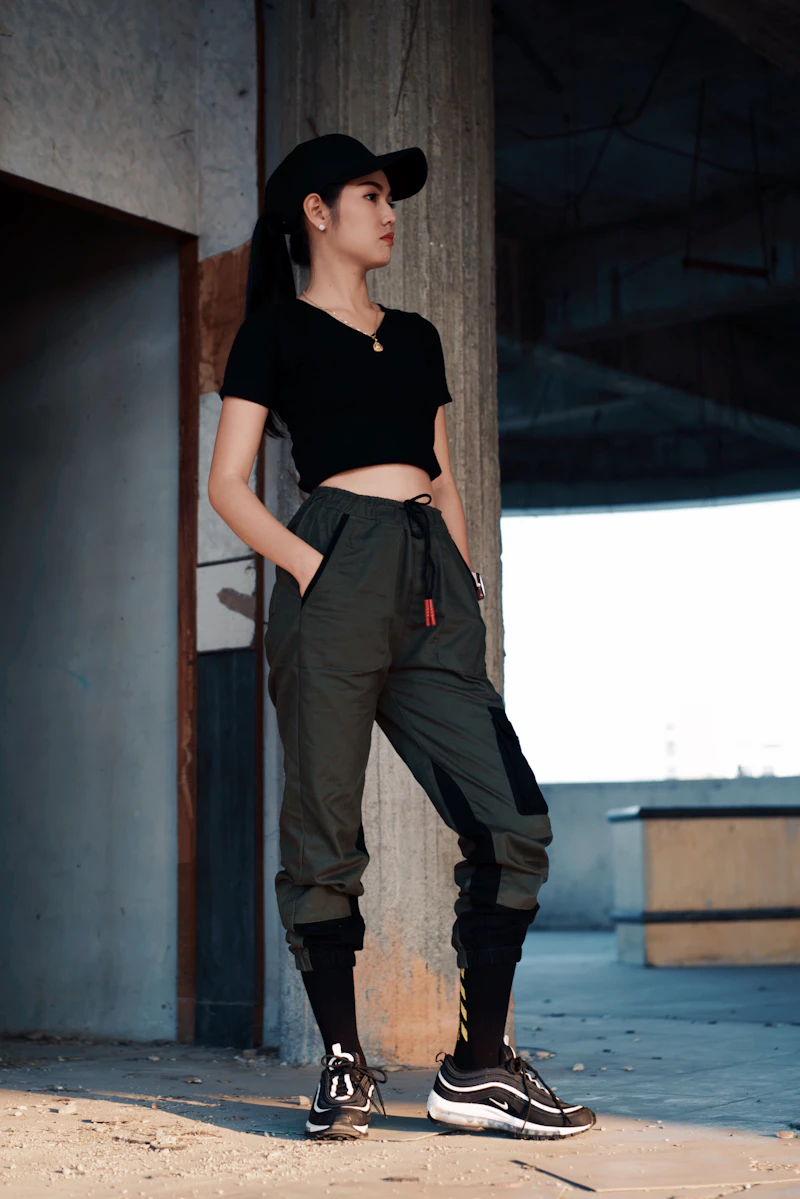
Men's Premium Heavy French Terry Jogger Trousers

Men's Ribbed Athletic Muscle Tank Top

Men's Heavy French Terry Athletic Sweat Shorts
Our Strengths & Core Values
Why leading international fashion importers and retailers partner with MY WEAR MARKET in Bangladesh.
Competitive Prices, Sharp Lead Times
Direct factory-floor costing without unnecessary middle layers, ensuring sharp FOB calculations and guaranteed on-time ship dates.
Computerized Order & Production Follow-Up
Automated ERP time-and-action (T&A) calendars keeping buyers updated with live status reports across all milestones.
Technically Qualified Audit Team
Textile engineers and seasoned QA professionals conducting rigorous technical audits on fabric, sewing, wash, and packaging.
Young and Motivated Merchandisers
Agile, dynamic merchandising managers with modern fashion market awareness, prompt English communication, and fast problem solving.
Dedicated Customer Segment Teams
Specialized merchandising units allocated by geographic market and apparel category (Knitwear, Denim, Outerwear, Kids).
Import & Export Cargo Tracking
Complete traceability of imported trims, yarn shipments, and finished export container movements through Chittagong port.
WE ARE HUMBLE
Having evolved to a global supply chain, creating value for our customers has been driving our success. We provide innovative supply chain and logistics solutions that meet the needs of our customers and add long-term value to their businesses.
WE ARE FAMILY
Trust and integrity are the cornerstones of our long-lasting relationships and essential to foster loyalty and teamwork. We care about our customers and vendors like family.
Our Mode of Payment
Available with any bank in Bangladesh by negotiation draft at sight. Bill of lading clause should be to the order of negotiation bank and endorsed to letter of credit opening bank.
In terms of TT Payment, our preference is at least 70% in advance along with the placement of Export Order, with the balance amount payable as per final Invoice Value prior to shipment.
Shipment Lead Times
Normally 60 to 90 Days after receiving operative L/C in hand.
Repeat Orders: 40 - 50 Days after receiving L/C in hand.
Normally 90 to 120 Days after receiving operative L/C in hand to allow for international raw material customs clearance.
Get In Touch With Us
Have an apparel inquiry, tech pack, or bulk purchase requirement? Submit your details directly to our merchandising desk or reach out via phone/WhatsApp.
Send Bulk Order Inquiry
Our merchandiser manager will respond within 24 hours with competitive FOB costing and production timeline.